11 November 2025
Reading Busy-Hour Counters Without Losing the Street Story
How service teams in Thailand can pair vendor busy-hour tables with complaint geography before calling for a sector change.
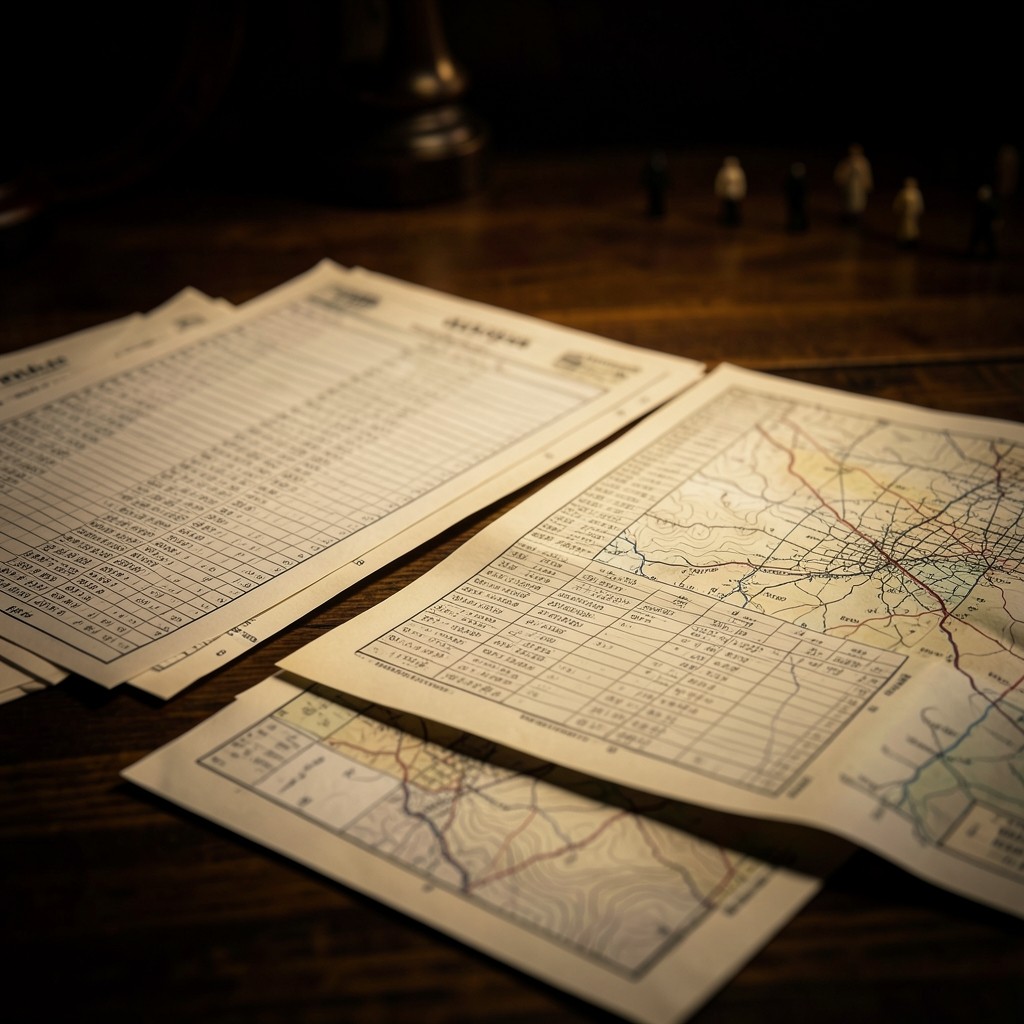
Busy-hour counters are often treated as a verdict. In practice they are a starting sketch. A sector that looks healthy in the export can still disappoint a street market two blocks from the antenna, especially when foliage, temporary stalls, or indoor venues pull traffic sideways.
Begin with three columns only: offered traffic, successful sessions, and drop or fail counts for the window your service desk actually hears about. Ignore decorative charts until those three columns tell a coherent story. If offered traffic rises while success stalls, the complaint queue is usually already filling.
Next, place the top failing sectors on a simple map your field leads already know. Ask which complaints arrived within a kilometre of those sectors during the same window. The overlap is where a Coverage Walk Review earns its keep; the non-overlap often points to handset mix, indoor venues, or a neighbour cell absorbing the load.
Finally, write a one-page note for the crew: what the counters show, what the street list shows, and what you still do not know. That single page keeps the next site visit from turning into another round of guesswork.